Staying connected is more important than ever. But for families relying on SNAP, also called food stamps, affording a smartphone or mobile service might feel out of reach.
Fortunately, several government-supported programs recognize that accessing the internet and making calls isn’t a luxury—it’s a necessity.


This article is for anyone navigating tight budgets or supporting a household with limited resources.
If you’re wondering whether there’s a way to receive a free phone through food stamps, or how these programs work, you’ll find some practical answers here. Discovering reliable communication, without extra costs, can be a lifeline for job hunting, health care, and family support.
Understanding the Free Phone With Food Stamps Program
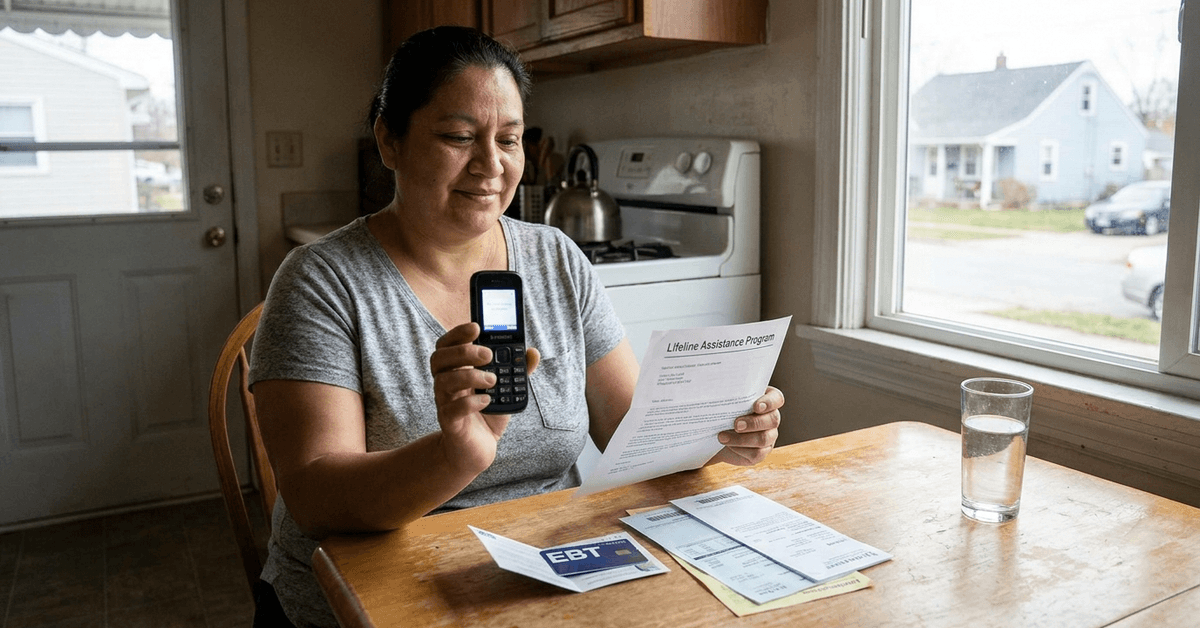
Eligibility for a free phone typically comes as part of the Lifeline Assistance Program. This federal initiative makes cell and data access affordable for low-income Americans.
If you’re already enrolled in the Supplemental Nutrition Assistance Program (SNAP), you may qualify automatically for these benefits.
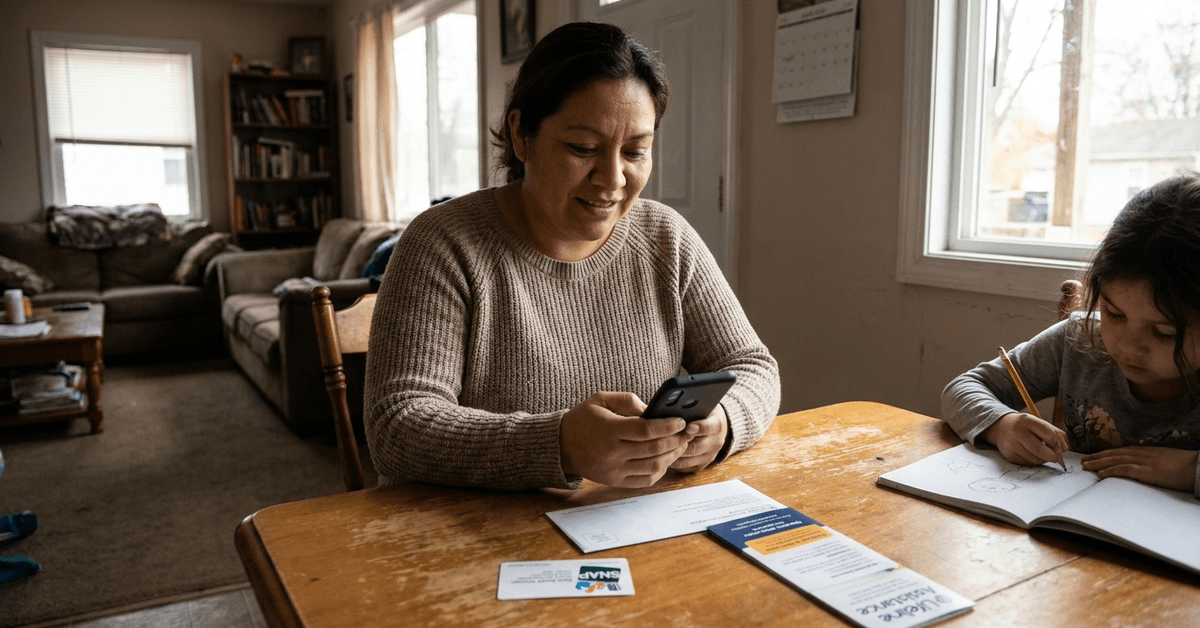
The aim? To bridge the digital divide. Accessing essential services often depends on having a phone—applying for jobs, scheduling medical appointments, and maintaining community ties are difficult without reliable service.
The program isn’t new, but evolving technology and shifting social needs make it more crucial than ever.
How Lifeline Supports SNAP Participants
The Lifeline program has existed for more than three decades. It originally provided discounted landline service, but now covers wireless devices and data. As technology changes, benefits adapt, often at no cost to participants.
Those participating in SNAP are considered to have demonstrated financial need. With proof, you may access a plan that offers basic calling, texting, and a certain amount of data each month. Some providers offer the device itself for free, while others may require a small fee for a new handset.
It’s not only for individuals; families qualify as well, though limits usually restrict one discount per household. Documents needed often include an approval letter from your state’s SNAP office or an EBT card. Confirming your status is straightforward, but requirements might change slightly between states or providers.
What a Free Government Phone Program Covers
Included Features and Limitations
While specifics vary by provider, most plans offer:
- A basic smartphone (sometimes a refurbished model)
- Unlimited or capped talk and text
- Monthly data allowance (ranges from 2GB to unlimited)
Even so, there are a few limits. Advanced or newer phone models are rarely available for free. International calls or premium features might not be included. Still, most users will find standard needs—calls, texts, web browsing—are met.
Participating Service Providers
Several national and regional carriers offer Lifeline-supported phone plans. Common options include:
- Safelink Wireless
- Assurance Wireless
- Q Link Wireless
- enTouch Wireless
- Life Wireless
Rules may differ slightly regarding eligibility, supported devices, and application steps between brands. Checking directly with a provider is usually the smoothest route for details.
Who Qualifies for a Free Phone Through SNAP?
As a general rule, anyone receiving SNAP food assistance meets the **Lifeline income threshold**. However, qualification isn’t exclusive to food stamps—many government programs serve as proof of need.
Some additional qualifying programs can include:
- Medicaid
- Supplemental Security Income (SSI)
- Federal Public Housing Assistance
- Veterans Pension or Survivors Benefit
Income-based eligibility is usually calculated by federal poverty guidelines. So, even if you aren’t enrolled in SNAP, a low enough household income could result in approval.
How the Application Process Works
Gathering Required Documents
Applicants usually need to provide identification, proof of government benefit, and address. Accepted documents might be an EBT or program ID card, a letter of participation, or a recent pay stub if applying through income qualification.
Submitting Your Application
Most national providers let you apply online, often confirming details in a single session. Some require mail-in forms or phone calls.
The official resource for program details and to start an application is the Lifeline Assistance website. Here, you can check eligibility, browse provider lists, or get support if documents are missing. The process feels simple, though occasionally there may be delays or requests for clarification.
Top Providers Offering Free Phones with SNAP
Safelink Wireless
As one of the oldest participants in the Lifeline initiative, Safelink Wireless offers basic smartphones and up to unlimited talk and text for SNAP recipients. Data allowances can range, sometimes depending on state-level funding.
Assurance Wireless
Popular in many states, Assurance Wireless frequently provides a free device, unlimited calling, and texting, alongside a set monthly data limit.
Q Link Wireless
This provider offers nationwide service, covering most urban and rural areas with basic smartphone models and sufficient data for daily tasks.
How to Maintain Your Lifeline Benefit
Staying enrolled typically means re-certifying eligibility every year. Providers must confirm continued participation in SNAP or other qualifying programs during this annual checkup. Compliance is quite important—sometimes, lapses can cause temporary loss of service until proof is reestablished.
Switching providers is allowed, often once per year, if better plans or coverage are discovered. Benefits remain limited to one line per household, though exceptions may be available for specific low-income or homeless situations.
Potential Challenges and Real-World Experiences
Some people find the process straightforward, but hurdles can occur. Occasional delays, difficulty uploading documents, or confusion about which providers serve a given ZIP code are common complaints. Others find the phones themselves are sometimes outdated or slower than commercial models, though they tend to get the job done.
Despite minor frustrations, for families juggling bills and responsibilities, having secure phone access often outweighs these small limitations. From experience, it feels reassuring to know there’s a support system, especially for parents managing school, work, and emergencies.
Additional Tips for Getting the Most From Your Free Phone Program
Exploring Plan Upgrades and Extras
Providers occasionally offer paid upgrades—more data, faster speeds, or newer phones—at discounted rates. Weighing whether to budget for these extras can be worthwhile if heavy data use or app access is essential.
Maximizing Mobile Device Value
Many rely on free phones for everything: banking, school, applying for jobs, even telehealth.
Knowing basic troubleshooting—resetting a device, updating apps, using Wi-Fi to reduce cellular use—may stretch every benefit further, especially if device replacements aren’t always quick.
The Role of Connectivity in Day-to-Day Life
For millions, access to a phone is about more than just staying in touch. It shapes everything from scheduling after-school pickups to getting job alerts or contacting community resources.
Given the barriers faced by low-income families, these programs address a real gap—not just in technology, but in opportunity and independence.
For broader updates and evolving details, the Federal Communications Commission (FCC) Lifeline page remains the primary source for policy changes and national program rules.
Empowering Households With Access and Opportunity
Although the free phone program connected to food stamps might feel surprisingly generous, it serves a critical function for families trying to stay afloat.
Sometimes, the path from application to activation ticks along smoothly—other times, a little patience and persistence are needed. Either way, ensuring reliable phone access opens doors: to work, education, and care.
For those navigating economic uncertainty, the sense of empowerment gained from a simple device can prove invaluable. In an increasingly digital society, closing the connectivity gap genuinely changes lives, one household at a time.