Searching for a personal loan in Germany often feels overwhelming. If you’re new to borrowing, or even just out of practice, there’s a lot to consider. Rates vary, terms aren’t always clear, and the best option sometimes isn’t the most obvious one.
This guide aims to bring a bit of clarity to the process for anyone in Germany hoping to borrow at the lowest possible rate.


Whether you’re consolidating debt, financing a purchase, or covering an unexpected expense, understanding how rates work can help you save money—and avoid unnecessary stress.
Understanding Personal Loan Rates in Germany
In Germany, personal loan rates (called “Privatkredit Zinsen”) are shaped by several factors. Not all lenders use the same criteria. It can feel a bit random, honestly. The actual rate you get often depends on both your profile and the policy of the lender.
Creditworthiness and Your Schufa Score
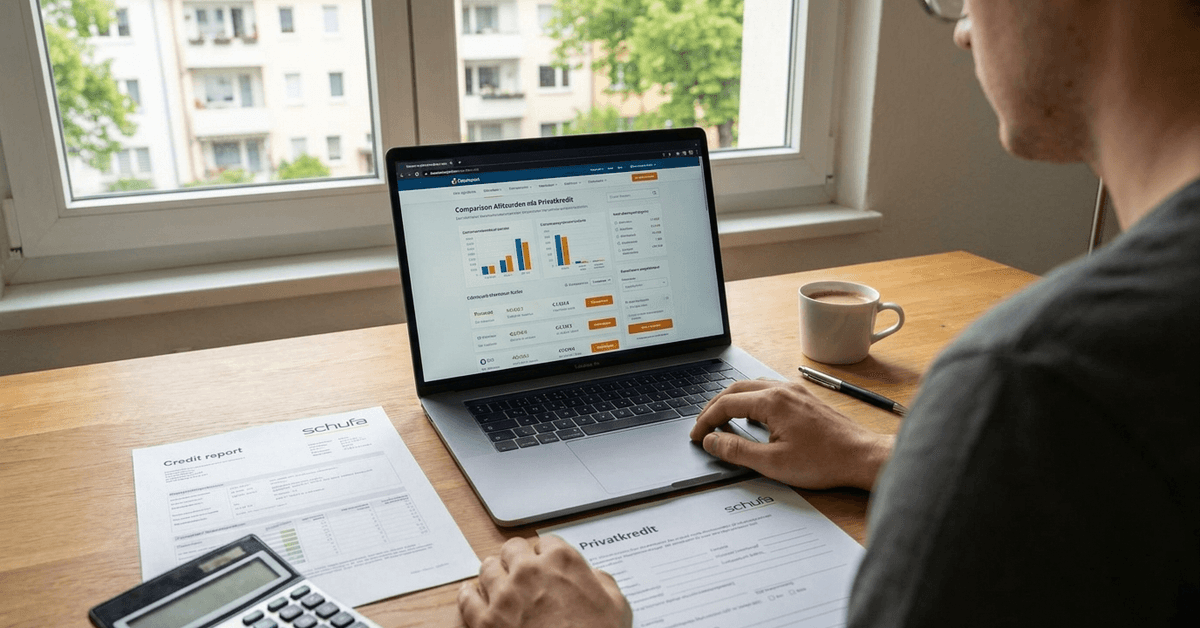
Your Schufa score is key. Most German lenders check this credit score before offering terms. A strong score could lead to a lower offer, while negative entries may result in higher rates—or rejections.
Loan Amount and Term
Larger loans or longer repayment periods sometimes change your interest rate. Sometimes, spreading repayments over more months seems to offer relief, but it may cost more overall. Deciding on the right balance can be tricky.
Fixed vs. Variable Rates
Some personal loans offer fixed rates , meaning your monthly payment never changes. Others use variable rates , which can go up or down. Fixed rates provide predictability; with variable rates, there’s always an element of uncertainty.
Why Compare Personal Loans?
Comparing personal loan offers can reveal big differences in APR (annual percentage rate), repayment terms, and fees. It’s worth the effort. There’s no universal cheapest lender for everyone. Individual details matter a lot in Germany.
Not All Loan Offers Are Transparent
Sometimes, advertised rates are only available to a tiny fraction of applicants. The ‘from’ rate listed is the best-case scenario, not necessarily what most people get. Reading the fine print is essential, even if it’s tedious.
Impact of Hidden Fees
Watch for upfront or processing fees, which aren’t always obvious. Some loans feature “zero fee” offers. Others have terms that seem odd at first, like compulsory insurance or extra fees for early repayment. Those can increase the real cost.
Loan Types Commonly Available in Germany
There are several types of personal loans on the German market. Each has its quirks, and understanding what suits your plans might require a bit of self-reflection. Or maybe just comparison tables online—whichever feels less daunting.
Classic Personal Loan (Privatkredit)
This is the most common type—a fixed lump sum, paid back in monthly installments. It’s often used for buying furniture, appliances, or covering general expenses.
Debt Consolidation Loan
Used by those who want to pay off multiple smaller debts. The big advantage here can be a lower overall interest payment, but sometimes, the math doesn’t always work out as expected.
Car Loan (Autokredit)
Although technically for vehicle purchases, they often overlap with personal loan offers. Terms and rates may be better if you have collateral like a car as security.
How to Compare Personal Loan Rates Effectively
Every borrower has their own priorities. For some, the lowest monthly payment matters most. Others might focus on early repayment flexibility, or total cost over the life of the loan.
Annual Percentage Rate (APR) as a Core Metric
APR bundles together interest and all mandatory fees. Comparing APR between multiple lenders helps estimate the true price of borrowing. But, it’s always wise to check the breakdown not just the average rate.
Online Loan Comparison Tools
Most Germans use comparison websites like Check24 or Finanzcheck. These platforms let you adjust amounts, terms, and see personalized rate ranges from many banks in seconds.
Using more than one comparison site might give you a fuller view. Sometimes, a lender appears on one but not the others.
Reading User Reviews and Experiences
Although not always a perfect indicator, reading the experiences of other borrowers sometimes highlights issues—like hidden processing delays, communication problems, or unclear terms.
Factors That Affect Personal Loan Approval
Lenders in Germany won’t always spell out their internal criteria. However, there are some common influences:
- Employment status and monthly income
- Length of time at your current address
- Existing debts and financial obligations
Being realistic here, some factors you can’t control. But for items like unpaid overdrafts or late utility payments, clearing these first could help your approval chances.
How to Improve Your Chances for a Low Rate
It’s not uncommon to feel a bit nervous about applying—perhaps even hesitant. There’s always some uncertainty, especially if you’re unsure about your financial profile. But a few small steps might boost your odds.
Check and Understand Your Schufa in Advance
Requesting a free copy of your Schufa record (once a year, by law) might reveal outdated or incorrect entries. Removing these can sometimes lower your borrowing costs right away.
Choose a Shorter Loan Term, if Feasible
Short terms frequently mean lower rates. Of course, not everyone has the budget for large installments. Sometimes, settling for a mid-range term is a pragmatic choice for stability—even if it means paying a little more in interest.
Consider Applying Jointly
Some lenders allow a second applicant. Adding a partner with steady income can increase approval odds and possibly reduce the offered rate.
Risks and Pitfalls to Watch For
It’s easy to get caught up targeting just the lowest rate . Sometimes, that tunnel vision leads to mistakes or overlooked details.
Prepayment Penalties
Certain loans penalize early repayment. Always look for wording like “kostenlose Sondertilgung.” It’s a subtle detail, but a costly surprise if you miss it.
Mandatory Insurance
Some lenders require insurance for job loss or disability. The value is debatable. For some, that security matters, but for others, it’s an unwelcome extra fee.
Online-Only Providers vs. Traditional Banks
Fintechs and online specialists often offer faster processing or better rates for tech-savvy borrowers. Yet, paperless processes may not suit everyone. Sometimes, talking to a real advisor in person has its advantages, especially for larger loans or complicated situations.
Legal and Tax Considerations in Germany
Checking the fine print is especially important under German law. Every credit agreement comes with a right to withdrawal (usually 14 days, but always specified in the contract). If you change your mind, that buffer can feel comforting—but shouldn’t be counted on as a strategy.
Loan Interest and Taxes
Interest paid on personal loans usually cannot be deducted from your German income tax. There are a few exceptions—like loans taken specifically for certain business expenses, but most borrowers won’t qualify. If you’re unsure, a consultation with a tax advisor might help, though not everyone feels this is strictly necessary.
Data Privacy and Loan Applications
Germany has strict data privacy laws (GDPR compliance). You may notice how many documents are required for verification. It can feel intrusive, but it does increase security.
Resources to Start Your Personal Loan Search
- Consumer advice centers: Verbraucherzentrale.de
- Federal Financial Supervisory Authority: bafin.de
- Major comparison portals: Check24.de, Finanzcheck.de, Smava.de
Sometimes, talking to friends or family for experiences helps. Their recommendations or warnings can illuminate pros and cons that aren’t listed online.