Quick credit can feel like a lifesaver when sudden expenses pop up. In Germany’s financial landscape for 2026, short-term loans have become more flexible, but also a bit more complex. This article aims to highlight when such loans make sense, how to compare new offers, and what to keep in mind to secure a good deal safely .
This information is especially useful for residents in Germany who value both speed and security in personal finance decisions. With evolving regulations and digital innovations, those weighing quick credit offers have more choices and more questions than ever before.



Understanding the true cost of a loan, beyond the first advertised rate, is arguably more important today than it was just a few years ago.
Why Quick Credit Remains Relevant in Germany (2026)
Although some still hesitate, the demand for short-term credit has endured for a reason. Many Germans still prefer fast, small loans for covering emergencies, keeping monthly budgets balanced, or coping with unexpected repairs—just to name a few practical motivations.

Faster Payouts with Digital Processes
Thanks to digital banking and advanced ID verification, many providers now manage to transfer funds within hours.
Perhaps a cautious person would double-check the promised timeline, but the majority do receive payouts much sooner than with classic bank loans.
Flexible Amounts and Repayments
Amounts have adjusted, too—most modern loans range from €500 up to €10,000 or more, with repayment periods spanning from a few weeks to several years.
This flexibility allows consumers to better tailor their borrowing to actual needs (and avoid excess debt, at least in theory).
Transparent Terms (Mostly)
The German market is well regulated, so hidden costs are less common than they once were. Still, every contract should be checked carefully, as optional services and extra insurance can subtly raise the real APR .
Perhaps some borrowers only notice this after the fact.
How to Compare Quick Credit Deals in 2026
Comparison platforms promise the “best” loan, but the choice often comes down to more nuanced factors. Interest rates are just one part of the story; fees, term length, and even early repayment policy should all influence your decision process.
What Makes One Offer Better Than Another?
- Effective interest rate (APR) – This tells the total cost per year, including most mandatory fees.
- Processing speed – How fast the money is available (timing matters if it’s an emergency).
- Flexibility for repayment – Can you pay back early without penalties? Some platforms reward early payout, some don’t.
- Transparency – Are all costs easy to find? Sometimes, minor extras stay buried in the fine print.
Using Loan Comparison Portals
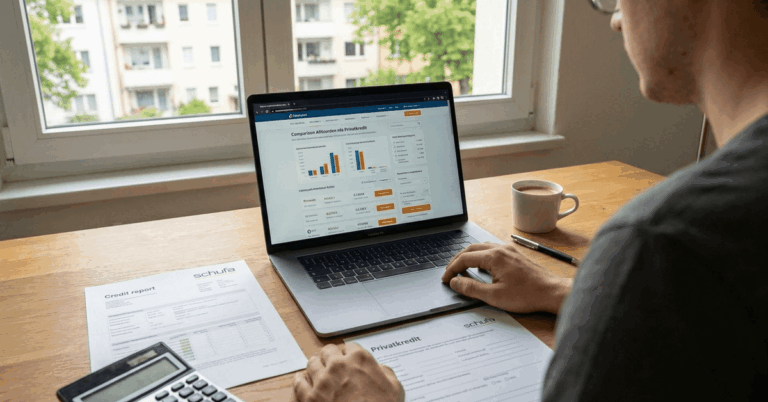
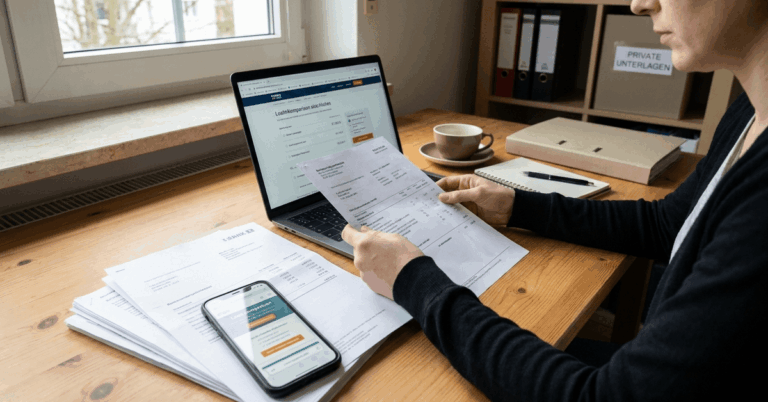
Well-known sites like Check24, Finanzcheck, or Smava have become the go-to portals. Each lists branded and partner loans, posts up-to-date interest, and clarifies monthly payment estimates.
While they offer a quick orientation, there’s still value in reading customer reviews to spot any recurring issues with a specific lender.
Should You Trust Instant Approval?
It sounds attractive: pre-approved credit in minutes. Yet, actual payout can still be delayed if final ID checks or document uploads don’t meet requirements. Some applicants have found this frustrating, but in most cases, the process still beats classic paperwork in speed and ease.
Important Factors to Watch in 2026
Even in an advanced digital credit market, risk remains. Tighter rules from BaFin (the federal regulator) mean stricter credit checks, but also better data security and consumer safeguards. Still, a loan is never risk-free—it’s always a commitment.
Regulatory Changes
Recent German and EU rules have focused on consumer transparency and creditworthiness checks. Algorithms now run most background screening, occasionally making decisions feel impersonal. For self-employed people, proving income stability can require extra paperwork.
Hidden Costs: Still a Concern?
Although basic costs are usually clear, some lenders promote optional add-ons (like express service or payment holidays), sometimes at a significant mark-up.
Many borrowers might overlook these until they’re already committed, so—if in doubt—double-check which extras are bundled by default.
How Credit Scores Affect Approval
In Germany, your Schufa score holds considerable weight. Unlike some countries, a single missed payment can reduce your eligibility for loans or result in higher rates. Some digital lenders do offer loans without a Schufa check, but these are rare, often expensive, and best approached with caution.
Who Should Consider Quick Credit?
Short-term loans are designed for emergencies or short-term needs, not for long-term financial planning. If the need is genuine and temporary—like an urgent car repair, unplanned move, or medical bill—quick credit sometimes makes practical sense.
Alternatives May Be Cheaper
Some may be tempted to use quick credit for everyday spending or to pay off older loans. Honestly, this rarely improves one’s financial situation over time. Cheaper alternatives, like installment plans, a minor overdraft, or borrowing from family, can sometimes be less risky—and less expensive.
Risks Worth Considering
- Interest compounding if you miss payments
- Costs from “premium” options or unnecessary insurance
- Potential hit to your Schufa score
- Legal obligations—credit is a contract, after all
Top Quick Credit Providers in Germany (2026)
Leading platforms compete on speed, cost, and transparency. Here are a few notable names in 2026 (note: this isn’t a ranking—offers change quickly):
- Check24 (check24.de)
- Smava
- Finanzcheck
- auxmoney
- Ferratum
Most of these services run applications fully online with digital contract signatures. Response time is often a matter of hours rather than days, if documentation is in order.
Saving Money and Avoiding Pitfalls
There’s no one “perfect” offer. Some deals look great online, but, after the documents arrive, conditions seem less attractive than promised (that’s fairly common, based on online reviews). Thinking critically, reading everything—including footnotes—and choosing realistic schedules are all ways to reduce regret.
Extra Tips for 2026
- Some lenders send promotional emails with discounted interest for short periods—checking several days in a row could spot a better deal
- Set alerts on platforms for new best-rate offers—sometimes limited-time-only deals appear unexpectedly
- Calculate the total cost, not just the monthly payment, and consider possible late penalties
- Use loan calculators available on Check24 or Smava to model different repayment durations
Legal and Tax Considerations for Borrowers
Germany’s credit regulation in 2026 ensures basic legal protection for loan applicants, but there are still some details worth knowing.
Consumer Protection & Cancellation Rights
Borrowers retain the right to withdraw from a loan agreement within 14 days in most cases, no questions asked. This “Widerrufsrecht” is strictly enforced, but the deadline can be missed if paperwork isn’t checked carefully.
Impact on Tax Returns
For private borrowers, interest payments on quick credit are generally not tax deductible, unless the money is used directly for generating income (such as freelance business tools or investments). Most people will not see any tax relief on simple consumer loans.
Obligations for Repayment
Unpaid debts can result in collection fees, court orders, or long-term credit score consequences. Repayment plans can sometimes be renegotiated, but only by early, honest communication with your lender.